
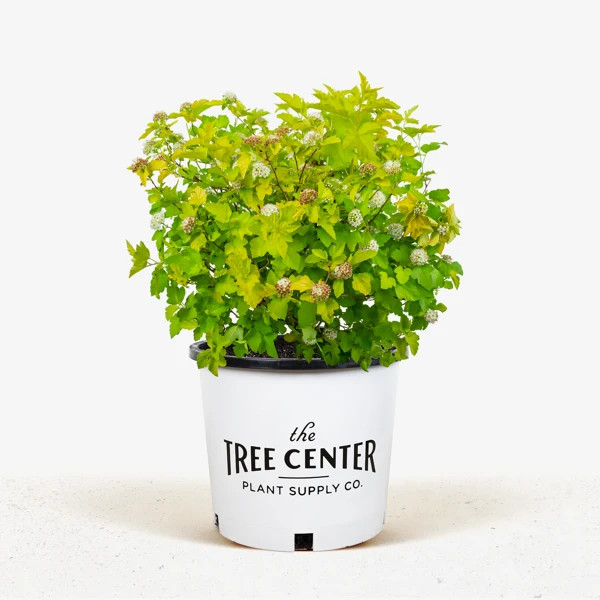
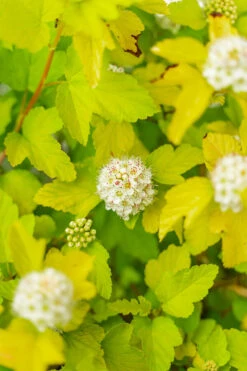

Lemon Candy Ninebark
Original price was: $44.50.$31.15Current price is: $31.15.
- Free Shipping over $25
- Fast & reliable delivery options
- Enjoy top quality items for less
- Multiple safe payment methods

Very few shrubs can rival the ninebark for toughness and the ability to grow well in the most difficult places. The ones with colored leaves are great plants to brighten up your garden without adding work. But they grow tall, often reaching 8 feet, so there are lots of places where, if only they were smaller, they would be perfect. Well now there is a smaller ninebark, with wonderful colored leaves, that fits into those small spaces. Just as tough, and completely resistant to winter cold, the Lemon Candy™ Ninebark is the perfect choice where you need a plant that is tough, cold-hardy, able to grow in poor soil, drought-resistant, but only a few feet tall. With bright yellow foliage and growing just a little over 3 feet tall, the Lemon Candy™ Ninebark will sweeten your garden with a tangy character all its own.
Growing the Lemon Candy™ Ninebark
Size and Appearance
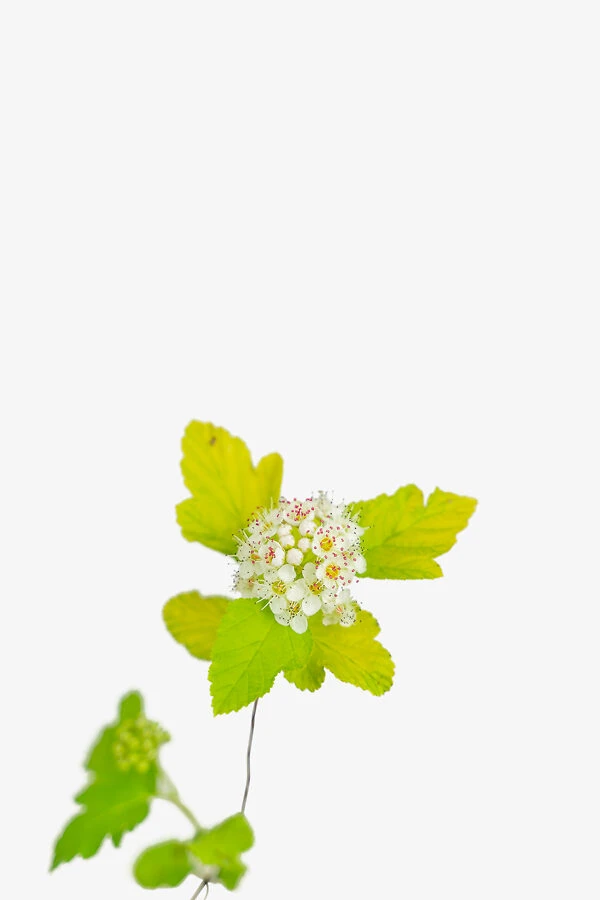
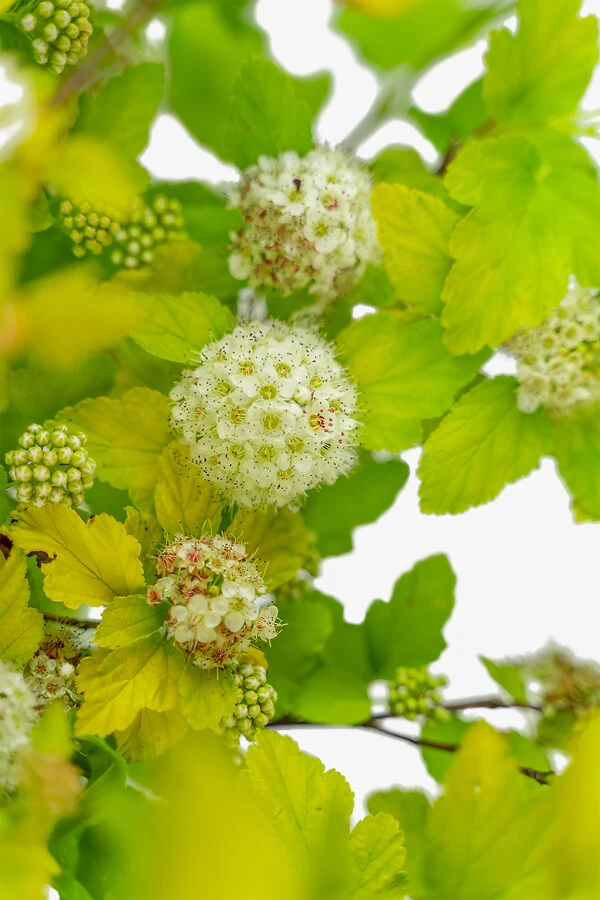
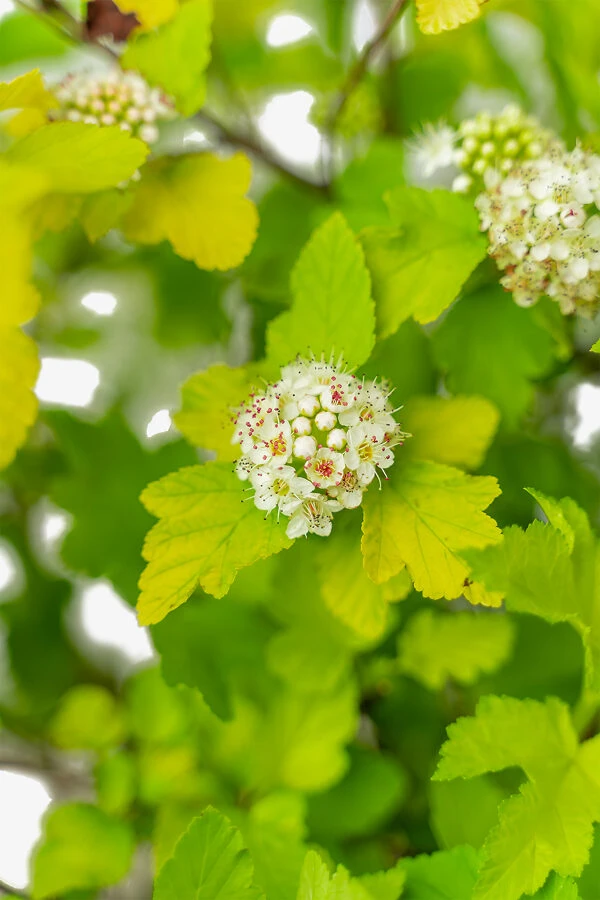
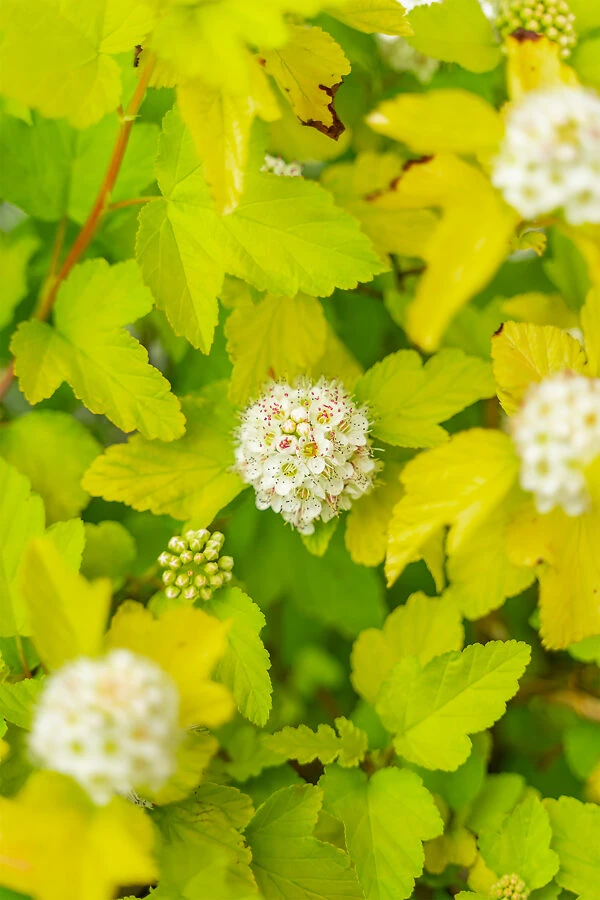
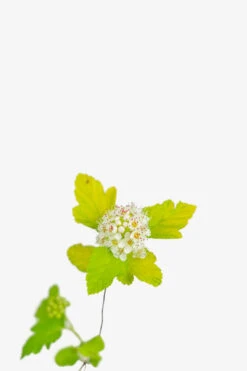
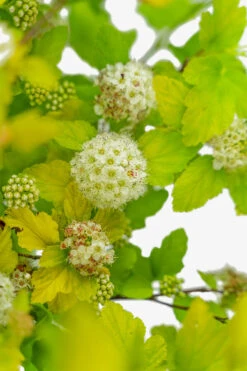
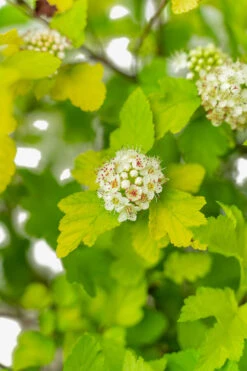
The Lemon Candy Ninebark is a compact deciduous shrub, with many dense branches, that grows about 3 feet tall and wide. Some stems may grow taller, but they are easily trimmed to keep your plant compact and neat. The reddish branches have peeling bark, bringing an attractive, rugged character to the plant in winter. The leaves are smaller than normal for ninebark, and in scale with the smaller size of the bush. They are about 2 inches long, divided into 3 lobes, a little like a small maple leaf. In spring the new leaves, which grow in clusters all along the stems, emerge a beautiful clean lemon yellow, making a fabulous show at that season of promise. As summer develops the color cools to a fashionable chartreuse yellow-green, bringing a limey tang to your beds, and showing off other plants perfectly. In fall the leaves return to a brighter yellow with the cold nights, looking great among the other fall colors in your garden.
Between late spring and early summer, 2-inch clusters of small white flowers are produced, which scatter among the golden leaves like a dusting of sugar on old-fashioned candy. Seed pods are rarely produced.
Using the Lemon Candy™ Ninebark in Your Garden
Despite its smaller size, this plant is just as tough as its big sisters, so you can safely use it anywhere. Plant it as a glowing specimen in a small bed, or group it as edging or a splash of color in a larger one. Plant a row alongside a path or driveway or highlight it among boulders and gravel in a rock garden. Grow it on a bank or slope, where its roots will help prevent erosion, and where its brightness will turn the area into a garden feature. It can also be used for planters and tubs, alone or surrounded by other plants – perhaps some of our Drift roses in a suitable color scheme. Wherever you plant it, you can be sure it will thrive.
Hardiness
The Lemon Candy Ninebark is just as cold-resistant as other ninebark; indeed, it seems to be hardier and survives even in zone 2. In all other zones it will thrive, except for zone 8 or 9 in the south-east, where the summers are a little too hot and humid for it to do its best. Otherwise, plant it without any concern for cold.
Sun Exposure and Soil Conditions
Full sun will bring out the very best and brightest in the Lemon Candy Ninebark. In shady places, it will be greener, but still attractive. This tough plant grows well even in the poorest of soils, growing in gravels and sands, heavy clays, and difficult urban conditions. Once established it is drought-resistant, and it’s a great choice for those hot, dry spots where most plants won’t grow well. Avoid wet, low-lying places where the drainage is poor.
Pruning and Maintenance
The Lemon Candy Ninebark is an extremely low-maintenance plant and it needs virtually no care, once it has become established. Pests and diseases don’t bother it, and it can be left to grow naturally. If you want to neaten it into an edging, you can trim at any time of year, although late spring, after the new growth has developed, would be best. Longer shoots can be shortened back to maintain a rounded look, or left to develop a more natural, arching appearance. After a few years you can remove some of the oldest stems low down, to encourage young, vigorous new growth.
History and Origin of the Lemon Candy™ Ninebark
The Lemon Candy Ninebark is a selected form of the ninebark, Physocarpus opulifolius, an American native shrub. It can be found growing on riverbanks, gravel beds, and open areas beneath trees throughout the east, from New York to Florida. It has been grown for a long time in gardens because it is so tough and easy to grow anywhere. Since the 1970s several new forms have been developed with colored leaves – check out our list for some other options – but almost all those plants develop into larger bushes, about 8 feet tall and wide after a few years.
Dr. Peter Podaras is a plant breeder at Cornell University, Ithaca, New York, who is well known for developing new ornamental shrubs. He was interested in developing new, smaller ninebarks, so he collected many different unusual seedlings, let them flower together, and gathered the seed. In 2007 he grew many seedlings and studied them. In 2008 he selected the most interesting ones and created his Gum Drop series, three small shrubs with colored leaves. The variety trademarked as Lemon Candy™ is the brightest, and in 2011 the University was granted a patent on it, with the official name of ‘Podaras 3’
Buying the Lemon Candy™ Ninebark at The Tree Center
If you need bright, small and tough, then the Lemon Candy Ninebark is for you. Our plants are grown to be exactly as described, and you can’t go wrong with this reliable and colorful plant. Order now, because they are selling fast.
Be the first to review “Lemon Candy Ninebark”
Related products
Shrubs and Hedges


Hydrangeas

Boxwood Shrubs
Hydrangeas

Drift® Roses

Butterfly Bush

Boxwood Shrubs

Butterfly Bush
Reviews
There are no reviews yet.